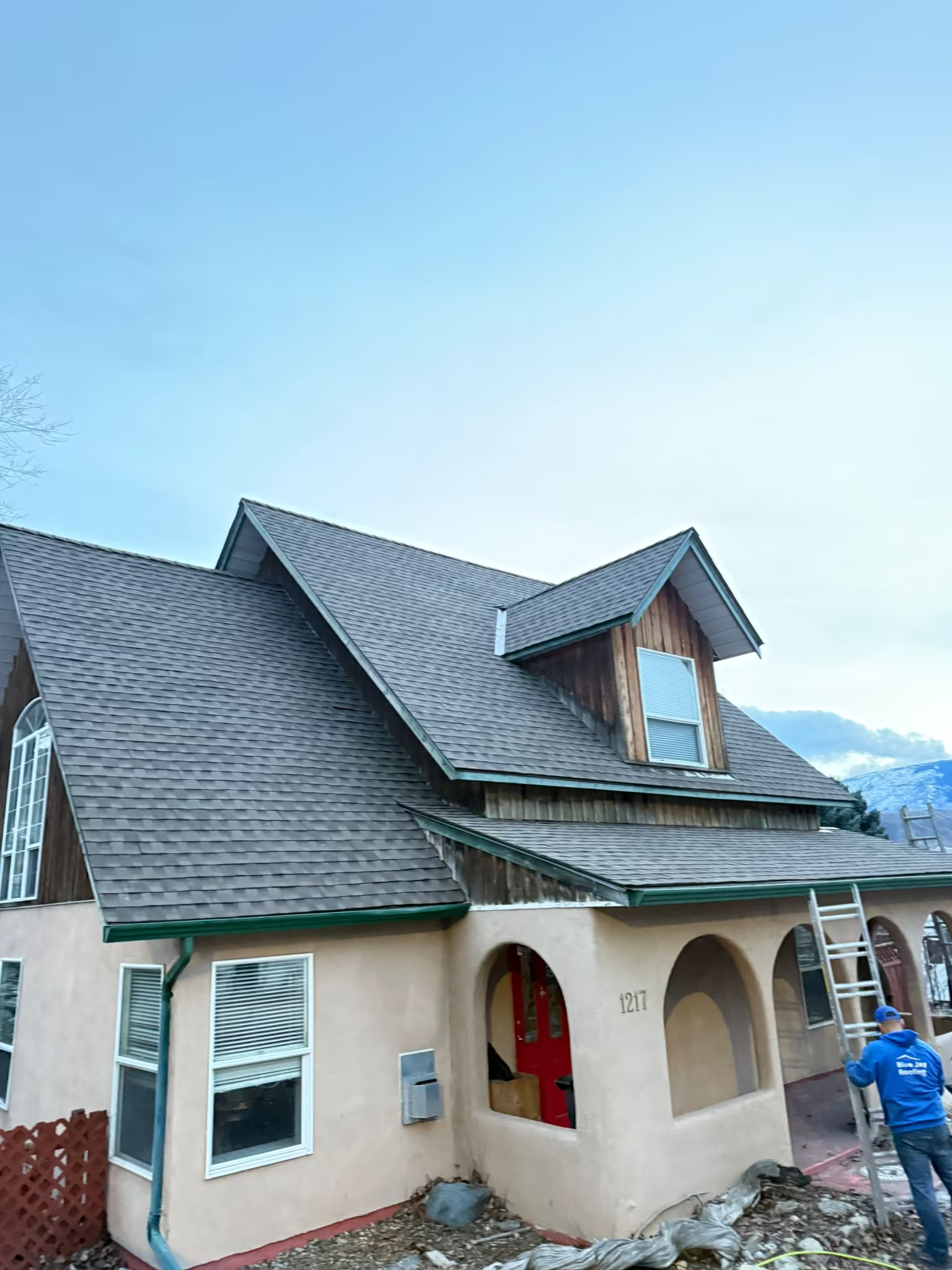
Architectural Shingle Roof with Ridge Vent in West Kelowna
This West Kelowna roof replacement pairs dimensional architectural shingles with ridge ventilation along the roof peak. The completed surface gives the home a clean, consistent finish, while the ventilation component supports the movement of warm, humid air out of the attic when balanced with proper intake.
Location
West Kelowna, BC
Work
Residential roof replacement
Roof system
Architectural asphalt shingles with ridge ventilation
Project views
1 project photos
The project story
Architectural shingles add depth to the finished roof
Dimensional shingles use varied tabs and shadow lines to create a more substantial appearance than traditional flat three-tab shingles. Consistent course alignment keeps that texture balanced across the full roof.
Ridge ventilation works at the roof's highest point
Warm attic air naturally rises. A ridge vent creates an exhaust path near the peak, helping the ventilation system move heat and moisture out when suitable intake air can enter lower in the attic.
The ridge cap completes the weather-facing finish
Purpose-made ridge cap shingles cover and protect the ridge vent while matching the main field. Clean cap alignment gives the roof peak a finished appearance from both the street and surrounding West Kelowna hillside.
Project gallery
Roof details from every angle.
Explore the roof shape, installation stages, finished surfaces, and surrounding property through detailed aerial views.
Project questions
What homeowners ask about this work
Do all roofs need a ridge vent?
No. The best ventilation design depends on roof shape, attic layout, existing intake, insulation, mechanical systems, and code requirements. Some homes need a different exhaust approach.
What are architectural asphalt shingles?
Architectural shingles are laminated asphalt shingles with a dimensional profile. They are available in different colours, performance ratings, and warranty options for residential roof replacements.
Can poor attic ventilation shorten roof life?
Excess attic heat and moisture can contribute to condensation, uneven temperatures, and stress on roof materials. Ventilation should be considered together with air sealing and insulation rather than as a stand-alone fix.